Pages

.

Showing posts with label beet root. Show all posts

Nutritional value of beets - Part 14: Swiss chard


Swiss chard leaf

Swiss chard, or simply 'chard', is part of the beet family (beta vulgaris). Indeed, beet greens and Swiss chard are often said to be the best-of-the-best high-quality, nutrient-dense super foods available. 

Chard is eaten for its leaves, not the root.  The leaves were the main value of beets, also, a few thousand years ago; however, over time, we have come to use the beet root as well. 

Swiss chard is known by other names: mangold, crab beet, silverbeet, spinach beet, perpetual spinach, and seakale beet. The latter, seakale, is often said to be the original plant which, through cultivation, gave rise to the modern beet root. Seakale can still be found growing wild in some areas by the Mediterranean Sea.

The name Swiss chard appears to have originated only in the nineteenth century. It is believed by some that the moniker Swiss was added to the name chard in order to distinguish chard from the French word for spinach. I doubt this since that word is epinard. More likely, 'Swiss' distinguishes this chard from another similar plant name pronounced much like chard at that time, perhaps carde, which was the French name for another chard-like vegetable, cardoon. Cardoon somewhat resembles celery but is related to artichokes.


Swiss chard is found to be a rich source of Vitamins A, C and K, plus dietary fibre, minerals, protein, carotenoids, and folic acid. When eaten raw, it is an excellent source of enzymes.

This Table contains only those values for nutrients present in the highest quantities in chard. For a more extensive list of nutrients and their associated values, please refer to the USDA National Nutrient database.

The nutritional values of Swiss chard are most abundantly represented in the following listed vitamins, phyto-nutrients and minerals:

Swiss chard: raw and cooked
Measure: 1 cup (36g)raw [7 calories] 
                1 cup (175g) cooked [35 calories]

Principle
Nutrient value
raw
 Nutrient value
cooked
2202 IU
10717 IU
10.8 mg
31.5 mg
298.8 mcg
572.8 mcg
Calcium
18 mg
102 mg
29 mg
150 mg
136 mg
961 mg
Sodium
77 mg
313 mg
Lutein + zeaxanthin
3960 mcg
19276 mcg
1313 mcg
6391 mcg

IU = International Units; mg = milligram; mcg = microgram

Some food writers warn that Swiss chard is an unhealthy vegetable choice because it has a substantial sodium content. Obviously, these writers have not thought this through. When you examine the table above, you see that the sodium content is more than balanced by the potassium content. The sodium/potassium pump is well provisioned by Swiss chard.

No Recommended Daily Allowance (RDA) is provided. For a broad overview of one of the new, incomplete standard measures that have replaced the RDA, check out Dietary Reference Intake .

Recipes using Swiss chard:


If you found this post useful, you may also wish to follow these links to find additional information on the health benefits of beets:

Table of nutritional values of raw beet root

Phyto-nutrients: betaine

Glycemic Index (GI) and Glycemic Load (GL)

Phytochemicals
Table of nutritional values of raw beet greens
Vitamin A (Beet greens - raw)
Vitamin C (Beet greens - raw)
Vitamin K (Beet greens - raw)
Potassium (Beet greens - raw)
Magnesium (Beet greens - raw)
Manganese (Beet greens - raw)
Table of nutritional values of cooked beet root
Carotene-B

reade more... Résuméabuiyad

Steamed beets Provencal

This simple, nutritious steamed beet dish makes a great accompaniment to roasted meats.


Beets Provencal
                                                                           Yield: 2 - 4 servings
Ingredients:

2 medium-sized beet roots
1 bay leaf
2-3 cups water
1 tablespoon extra virgin olive oil
½ teaspoon ghee (clarified butter)
2 teaspoons Herbes de Provence
sea salt and black pepper, to taste

Preparation:

1. Thoroughly wash beet roots. Place whole beets and bay leaf in steamer basket in a pressure cooker. Add 2-3 cups water. Bring the pressure cooker to a boil (following instructions in your manual). Reduce heat to medium and cook beets for 10 minutes. Turn off the heat and leave pressure cooker to rest until the safety latch is released. Remove beets to an air-tight container to cool. Discard bay leaf and pot liquor.

2. Slip skin off beets. Slice beets into rounds.

Herbes de Provence
warming in a saute pan


3. Heat Herbes de Provence in a saute pan over medium heat until the spices release their fragrance, approximately 2 minutes. Add olive oil and ghee to saute pan. Stir. 

4. Add beet slices to ghee mixture. Stir to cover beet slices with Herbes de Provence and oil/ghee. 

5. Add sea salt and fresh ground pepper to taste. Serve immediately.

reade more... Résuméabuiyad

Nutritional value of beets - Part 12: Cooked beet root

Steamed beet roots


Cooked beet root is very low in fats and registers no cholesterol. It is a good source of potassium, and provides a significant amount of calcium, which enables magnesium to provide essential heart health support. 

Cooked beet root carries a low Glycemic Load despite having a high sugar content; this is because the sugars are mostly indigestible dietary fibre, which are complex carbohydrates. In addition, cooked beet root is a very good source of folates and manganese.

Beets (beta vulgaris) 
Nutritional value per 100g (approximately 3/4 cup) of cooked beet root
Source: USDA National Nutrient  database

Table of nutritional values of cooked beet root
Principle
Nutrient value
Energy
44 kcal
Carbohydrates
9.96 g
Protein
1.68 g
Total fat
0.18 g
Cholesterol
0 mg
Dietary fibre
2.0 g
Sugars
7.96 g


Vitamins

Folates
80 mcg
Niacin
0.331 mg
Pantothenic acid
0.145 mg
Pyridoxine (Vit B6)
0.067 mg
Thiamin
0.027 mg
Riboflavin
0.040 mg
Vitamin A
33 IU
Vitamin C
3.6 mg
Vitamin E
0.00 mg
Vitamin K
0.2 mcg


Electrolytes

Sodium
77 mg
305 mg


Minerals

Calcium
16 mg
Copper
0.074 mg
Iron
0.79 mg
23 mg
0.326 mg
Phosphorous, P
38 mg
Zinc
0.35 mg


Phyto-nutrients

21 mcg
Betaine
See the following post for more information on the health benefits of beets:

Manganese (Beet greens - raw)
reade more... Résuméabuiyad

Steamed beet with black quinoa

Enjoy all the health benefits of cooked beets along with the protein and other nutrients of quinoa in this easy-to-make, colourful dish which can be used as a meal in itself, as well as a side dish. Despite the ease, once again, this is slow cooking, with preparations requiring planning and time.

Steamed beet with black quinoa
                                                                               Yield: 2 - 4 servings
Ingredients:

1 medium-sized beet, stalks removed
1 bay leaf
2-3 cups water
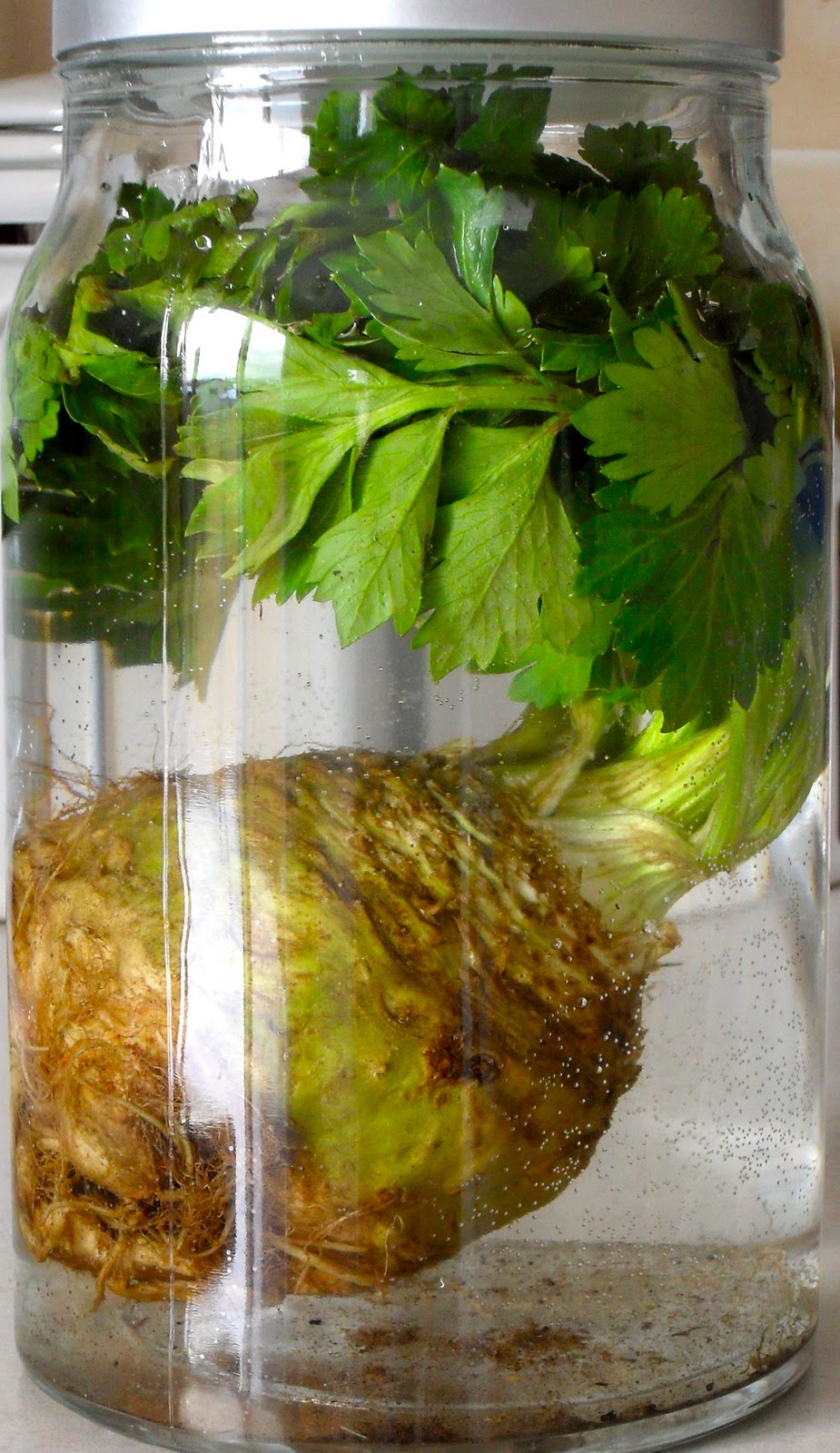
Hydrating celeriac
1 large sweet white onion
1 hydrated celeriac with stalks and leaves attached
1 tablespoon extra virgin olive oil
½ teaspoon ghee (clarified butter)
½ cup  black quinoa
¾ cup water

Dressing
2 tbsp. chopped celeriac stalks and leaves
2 tbsp. chopped cilantro
3-4 tablespoons apple cider vinegar
¼ teaspoon brown sugar
sea salt and black pepper, to taste

Preparation:

1. Thoroughly wash whole celeriac. Immerse celeriac in a deep container of cold water to hydrate. (It is preferable that this is done the day prior to making this recipe.)


2. Thoroughly wash beet. Place whole beet root and bay leaf in steamer basket in a pressure cooker. Add 2-3 cups water. Bring the pressure cooker to a boil (following instructions in your manual). Reduce heat to medium and cook beet for 10 minutes. Turn off the heat and leave pressure cooker to rest until the safety latch is released. Remove beet to an air-tight container to cool. Discard bay leaf and pot liquor.

3. Meanwhile, rinse quinoa. Bring ¾ cup water to boil in a small pot. Add quinoa. Return to the boil, then reduce heat to simmer. Simmer, covered, for 15 - 20 minutes. Turn heat off, leaving quinoa to cook and absorb the remaining water.

4. Cut away ¼ of a large sweet white onion. Peel. Chop into a small dice, producing approximately ½ cup.

5. Cut away ¼ of the celeriac (the root only). Peel. Chop into a small dice, producing approximately ½ cup. Add to onion dice.
Diced steamed beet root

6. Slip skin off beet. Cut beet into small dice.


Sauteing onion and celeriac dice


7. Heat olive oil and ghee in saute pan over medium heat. Add onion and celery root dice. Saute until onion turns translucent. 


8. Fold 1 cup cooked quinoa into the onion and celery root mixture. Heat through.

1 cup cooked black quinoa


Black quinoa, onion and celeriac


9. Add diced beet. Raise heat to medium. Cook and stir for 5 minutes. 

10. Turn out into a serving dish. 
Steamed beet root with black quinoa

Dressing:
Snip away two stalks with leaves from celeriac. Chop into small dice. Chop cilantro. Add to diced celeriac leaves and stalks. Add vinegar, brown sugar, sea salt and pepper.  Stir. Serve as an accompaniment in a small bowl.
reade more... Résuméabuiyad

Oven-roasted beet wedges with rutabaga

Beets roasted in the oven together with other root vegetables provide comfort food that is full of the goodness of betaines and other phytonutrients. You might like to eat these vegetables with commercial soured cream, kefir or yoghurt to provide the calcium needed by the magnesium in the beet roots to support healthy muscles.

The creamy, smooth texture of the Hawaiian purple yam contrasts beautifully with the firm texture of the beet wedges and the caramelized rutabaga and carrot.

Oven-roasted beet root wedges, rutabaga,
carrot, purple yam and potatoes


                                                                                 Yield: 4 - 6 servings
Set oven to 425℉  (220℃)

Ingredients:

1 beet root, 7.5 cm. (3 in.) in diameter, cut into wedges
¼ rutabaga, peeled, chopped
3 small white potatoes
3 small red potatoes
3 small purple potatoes
1 carrot, chopped
1 small Hawaiian purple yam
4 garlic cloves, peeled and halved
¼ red onion, peeled, chopped
2 tablespoons extra-virgin olive oil
sea salt and freshly ground black pepper

Beets, rutabaga and other root vegetables

Preparation:
1. Thoroughly wash all root vegetables under running water to remove sand and soil. Peel the beet, rutabaga and Hawaiian purple yam. 

2. Slice beet into 12 wedges. Place a 2-quart Dutch oven or similar lidded, oven-proof dish.

3. Cut rutabaga, purple yam and carrot into chunks, approximately 1.5 cm. (1/2 in.) thick. Add to the beet wedges.

4. Add small potatoes whole. 

5. Peel garlic cloves, slice each in half, and add to vegetables. Peel ¼ red onion, slice into chunks and add to root vegetables.

6. Dribble olive oil over vegetables. Stir to coat them. Grind sea salt and pepper over the mixture. Cover. 

Beet wedges and other root vegetables plus red onion and garlic

7. Place in oven at 425℉ ( 220℃) for 45 minutes. 

After 30 minutes, test the beets for done-ness by penetrating with an ordinary table fork. Roast uncovered until finish roasting to increase caramelize. When a fork will easily penetrate to the centre of a beet wedge, turn off the heat and remove the vegetables from oven.

8. These roasted root vegetables are delicious with any type of meat or poultry.
reade more... Résuméabuiyad

Beet and Blood orange salad

Beets roasted in this manner yield a succulence that I have been unable to replicate by other means of cooking. All the health benefits of beets are maintained and the nutrients remain stable (as far as I am able to ascertain).

Beet and Blood orange salad


                                                     Yield: 2 portions
 Set oven to 425℉  (220℃)


Ingredients:

1 beet, 7.5 cm. (3in.) in diameter, roasted
1 Blood orange
1 sweet white onion
1 teaspoon orange juice
1 teaspoon red wine vinegar
1 teaspoon olive oil
sea salt and pepper to taste
Garnish: sprig of fresh mint


Preparation:

1. Wash beet and wrap in metal foil food wrap. Place in pre-heated oven. Roast for approximately 1 hour. Beet is cooked when easily pierced by a fork. Remove beet from oven. Place in a heat-proof, lidded container. Refrigerate until cold.

2. When beet is cold, unwrap, peel and grate coarsely.

3. Peel Blood orange. Slice crosswise 3 times, producing 4 rounds. Either break rounds into segments or slice each into 8 pieces. Add orange segments to grated beet. 

5. Cut one thin slice of onion. Dice finely. Place atop the beet and orange mixture.

6. Divide salad into two portions.

7. Make salad dressing: Mix orange juice, vinegar and olive oil together with a small grind of sea salt and black pepper. Pour half of the dressing onto each portion of beet and Blood orange salad. Garnish with fresh mint.
reade more... Résuméabuiyad

Roasted beets with goat cheese

Roasted beets are beautifully pared with the slightly tart nature of goat cheese.Here, the cheese is flavoured with dried cranberries and finely chopped pecans. 

Roasted beet halve with goat cheese

The creamy smoothness of this goat cheese filling together with the somewhat sweet-tasting roasted beet provides a very satisfying mouth-feel. This is a delicious entree.

Set oven to 425℉  (220℃)
                                                                                  Yield: 2 servings


Beets, cleaned and ready for cooking

Ingredients:

1 beet root, 5 cm. (3 in.) in diameter
3-4 tablespoons plain goat cheese
1 tablespoon olive oil mayonnaise
1 teaspoon extra virgin olive oil
1 tablespoon dried cranberries
8 pecan halves

1. Brush and thoroughly wash beet. Place in pre-heated oven and roast for approximately 45 minutes. The beet is cooked when fork tines can easily be slipped into the beet. 

2. Remove beet from oven to a lidded, heat-proof container and leave to cool. Condensation will collect inside the container. This is beneficial for it will soften the skin for peeling.

3. In a small mixing bowl, place the goat cheese, mayonnaise and olive oil. Combine until smooth.

4. Chop the cranberries to a small dice. Add to cheese mixture. 

5. Chop pecan halves to a fine dice. Add 1 tablespoon of the diced pecans to the cheese mixture, reserving the remainder for garnish.

6. Combine the pecans, cranberries and cheese mixture. Set aside.

7. Carefully peel the beet. Slice away the crown (where the stalks grew) so that the beet can sit squarely on its top end. Slice away the root end, just enough so that the beet can sit squarely on its base. Setting the beet on a side, cut it in half across the middle. 

8. Place the bottom half on its base. Place the top half resting on the cut where the crown was. Scoop out about 1 cm. (less than ½ in.) of the middle flesh of each half, creating a small bowl-shape in each. Fill each beet half with about a tablespoon of the goat cheese mixture.

8. Garnish with reserved diced pecan. Place each beet half on a small serving plate.

Roasted beet with goat cheese filling for two
reade more... Résuméabuiyad

Beet, parsnip and sweet pepper soup

Perk up a cold mid-winter evening with the enervating colours and comforting aromas of this pureed soup.

Beet, parsnip and sweet pepper soup
Cooked beet, purple potato and
carrot


Ingredients (red soup):
½ teaspoon coconut oil
½ cup chopped red onion
½ clove garlic, crushed
1 small beet, steamed, peeled, chopped
½  carrot, steamed, peeled, chopped
2 purple potatoes, steamed, peeled, chopped
1 cup beet stock or chicken stock

                                      
Cooked and diced ingredients
for the yellow soup

Ingredients (yellow soup):            
½ teaspoon coconut oil
½ cup chopped white onion
½ clove garlic, crushed
1 parsnip, steamed, peeled, chopped
1 white potato, steamed, peeled, chopped
½ yellow sweet bell pepper, diced
¼ orange sweet bell pepper, diced
1 cup chicken stock


Garnish: 
1 sprig cilantro

Preparation :

1. Use two saucepans. You will cook in both pots at once, treating each mixture separately. Melt ½ teaspoon coconut oil in each pot. Place red onion and garlic in one (the red pot), and white onion and garlic in the second (the yellow pot).

2. To the red pot, add all items listed under Ingredients (red soup).   

Beet soup (red pot)


3. To the yellow pot, add all items listed under Ingredients (yellow soup).

Parsnip and sweet pepper soup (yellow pot)

4.  Simmer both mixtures for 10 minutes.

5. Decant the contents of the red pot into a blender. Pulse at high speed until the mixture is thoroughly pureed. Pour the red puree back into the red pot and reheat over low heat.

Beet puree
6. Thoroughly wash the blender, then decant the contents of the yellow pot into it. Pulse at high speed, as you did with the red mixture. Pour the yellow puree into the yellow pot and reheat. At this point, you may wish to add salt, pepper or other preferred seasonings to each puree.

Parsnip and sweet pepper puree
8. Ladle ¾ cup red puree into one measuring cup and ¾ cup yellow puree into another measuring cup.

9. Simultaneously, pour into a soup bowl from both measuring cups to create the effect shown in the illustration above. Garnish with a sprig of cilantro.
reade more... Résuméabuiyad